
Tactile floor: Accessibility outside and inside the home

Resident of a large one-story house, with ramps, floors and furniture designed to facilitate the movement of wheelchairs, the wheelchair user Catarina Cardoso Panício does not think she has the same ease of locomotion in public transport and in some establishments in São Paulo, city where you live. “I once went to Liberdade to have lunch with my boyfriend, when we arrived at the place the only accessible bathroom was upstairs., that only had access by a ladder", tells the young woman about her experience in the neighborhood of the city of São Paulo, known for oriental cuisine.
At the home of the visually impaired Dayane Alves do Santos, the commandment is not to move the furniture around, because that's how she orients herself when she moves through the environments. "When I lost my sight, to 10 years, I went to a boarding school and came home on weekends. in one of the turns, my mother had moved everything, which, besides preventing my location, caused minor accidents", account. With the guidance of the Padre Chico Institute for the Blind, dedicated to the education of visually impaired children and adolescents in São Paulo, Dayane's family learned that you have to take a space tour with the blind, every time something moves.
With regard to the city, Dayane believes that the issue of accessibility has been built in a comprehensive and broad way. "The tactile floor is a beautiful achievement. Before, only existed in subway stations, urban terminals and public buildings, and today they are already present on sidewalks and private buildings too. This makes mobility much easier", celebrates.
With 45 millions of people with some kind of disability, according to data from 2019 do IBGE (Brazilian Institute of Geography and Statistics), the country has the NBR 9050, known as the accessibility standard, which dictates the guidelines for accessible buildings. According to the Secretary of State for Persons with Disabilities of São Paulo, in addition to following technical standards, projects must also follow principles such as equitable use., that is, that can be used by anyone, regardless of your physical or intellectual characteristics.
Named by Dayane as a great accessibility tool, O tactile floor began to become popular in Brazil with the decree no. 5.296/2004, which established the mandatory coating in buildings and public areas. In 2011, the São Paulo Metro surprised its users, even the blind, when did you start installing the parts in your stations?.
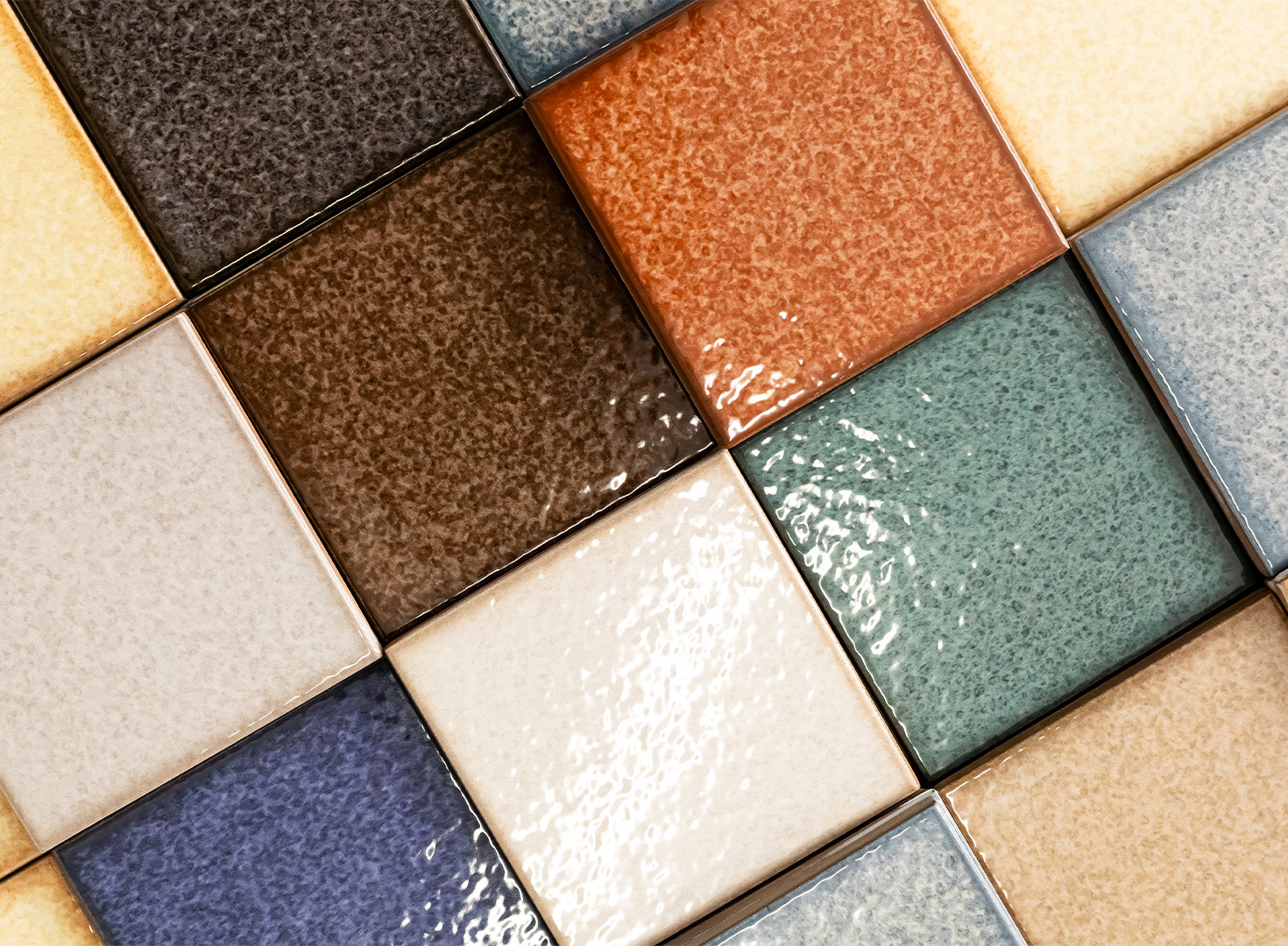
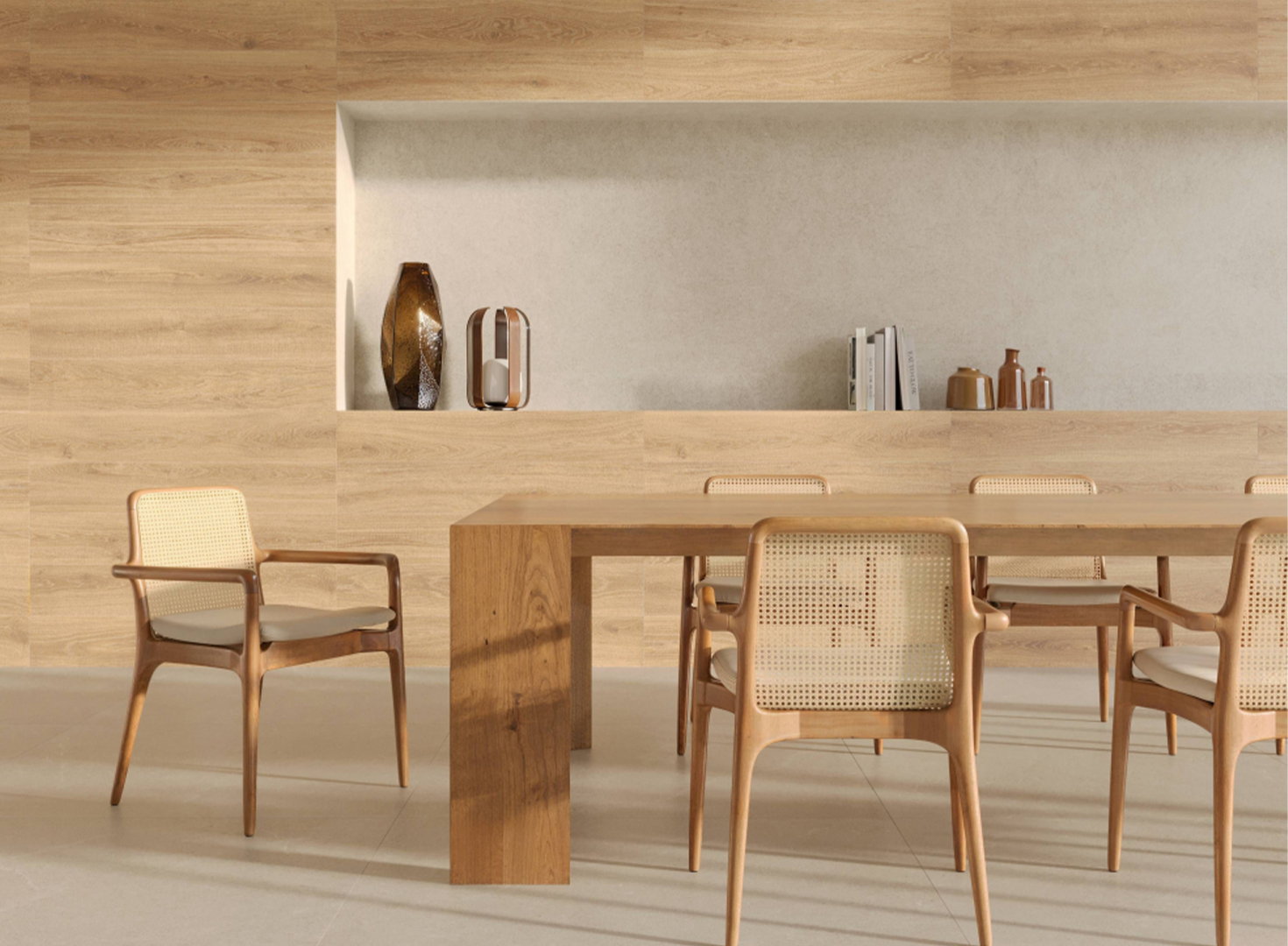
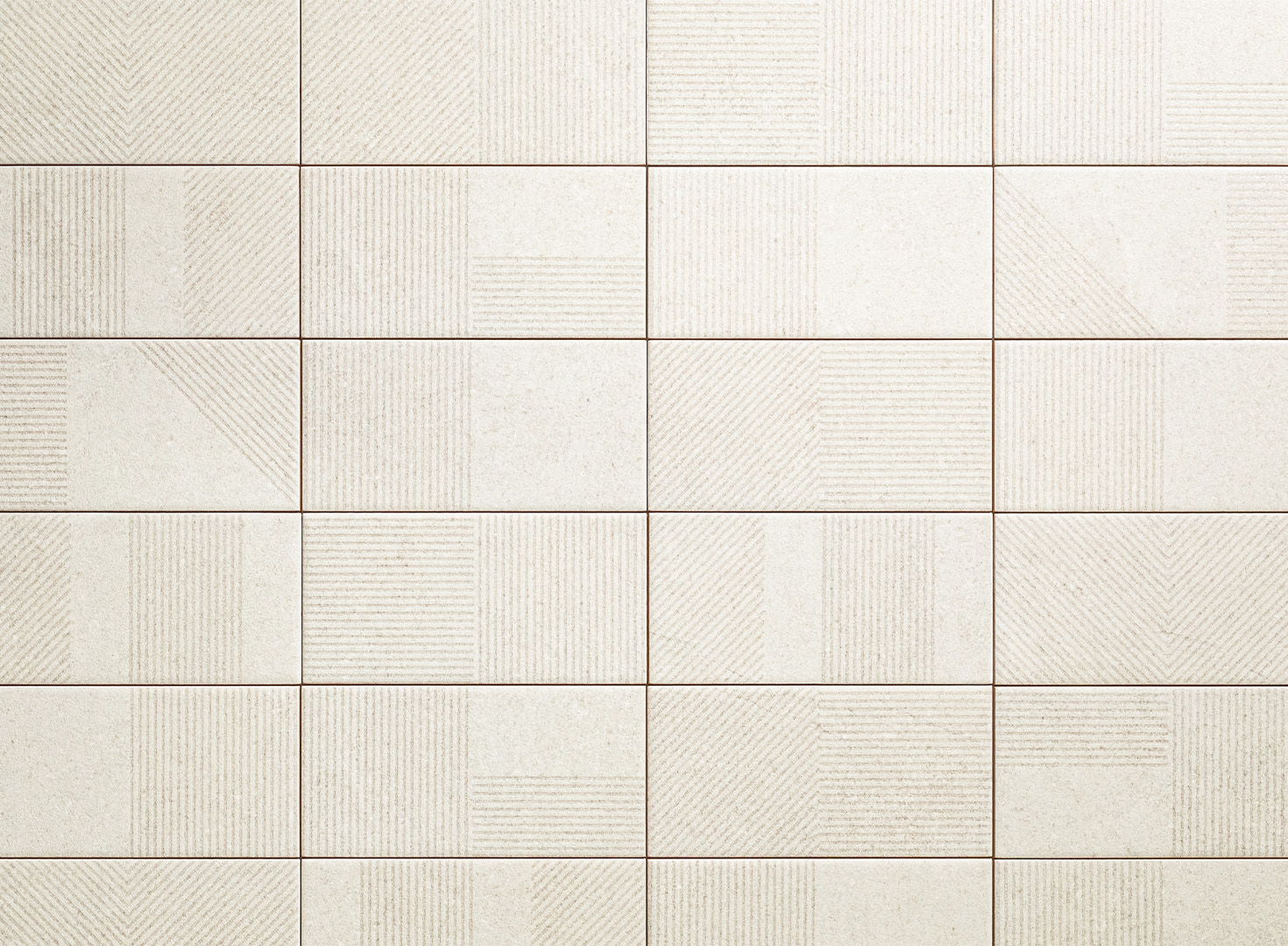
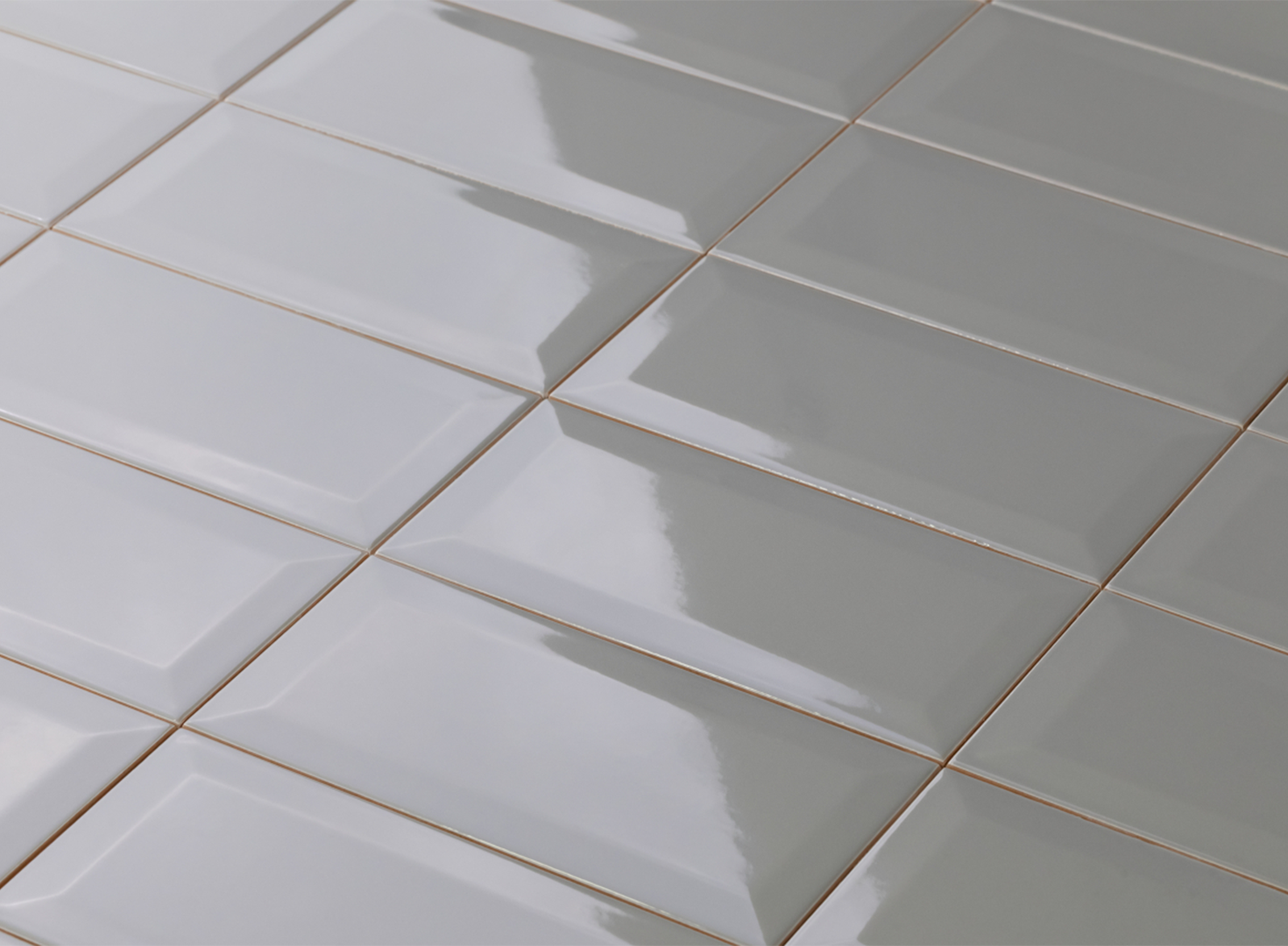
With a wide variety of finishes, textures and colors, the coatings can be used as an accessibility tool or to ensure greater safety for people with different degrees of visual impairment and mobility.
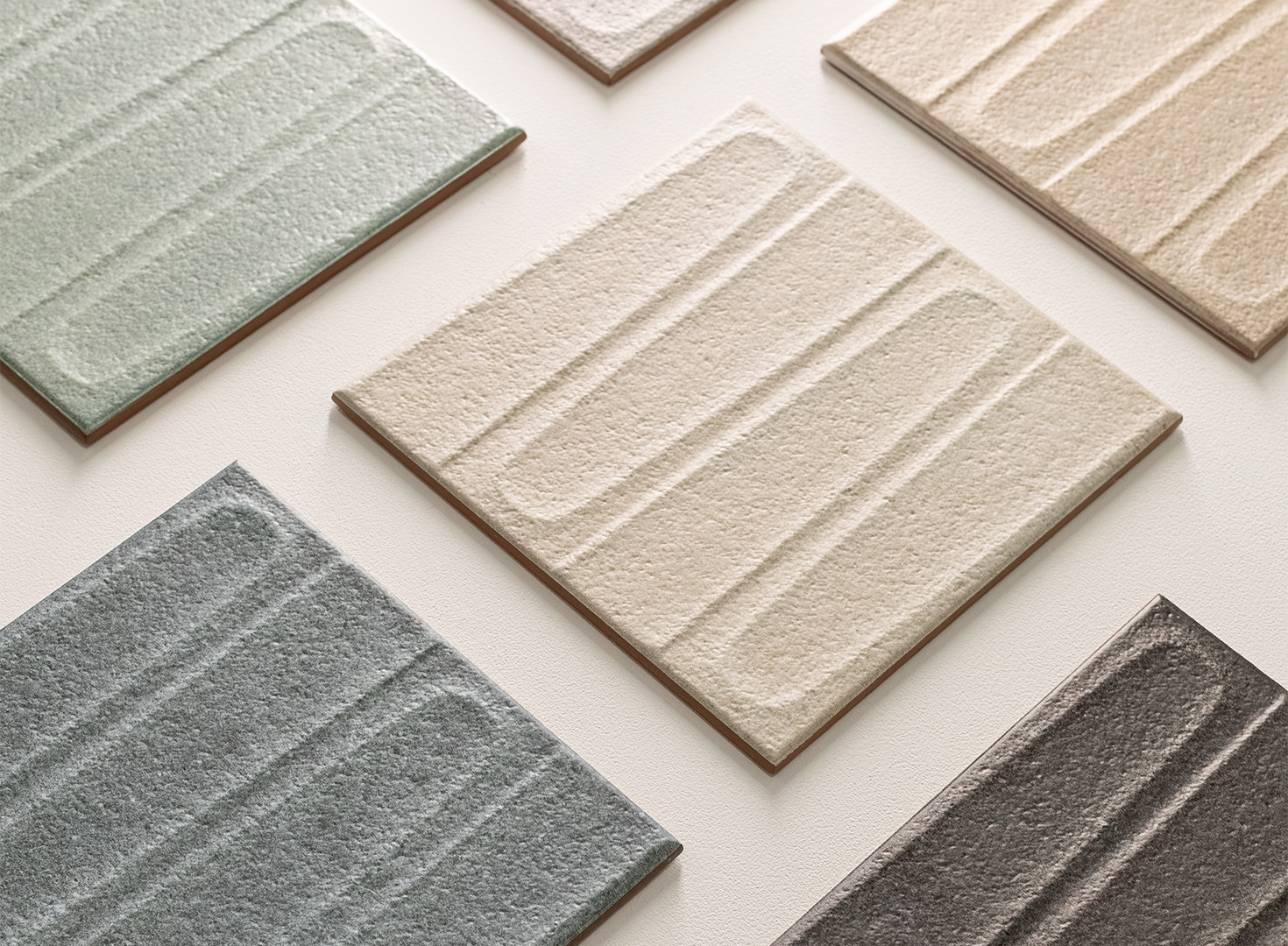
 the west tile, from Eliane, has strong texture and colors, being able to help in the construction of more accessible houses
The architect Barbara Dundes took the concept out of paper and elevated the status of coatings far beyond coating and decorating, and turned them into accessibility tools. In one of his residential projects, he abused the colors and textures to provide an environment, indeed, full.
Barbara chose colored pieces to facilitate the mobility and location of a client with low vision. "We invested in contrasting colors throughout the interior of the house so that she could see the volume of the furniture. Textures also played an important role., since the client is very sensitive to touch", barbarian account.
For her, issues such as accessibility must be thought through during residential projects, since the house is for life. “It is necessary to think of integrated solutions between architecture and interior design for a cozy and safe home for all those who live in it”, states.
 Back
Back