
From the aesthetics of clay, memories and sensations, by Regina Galvão

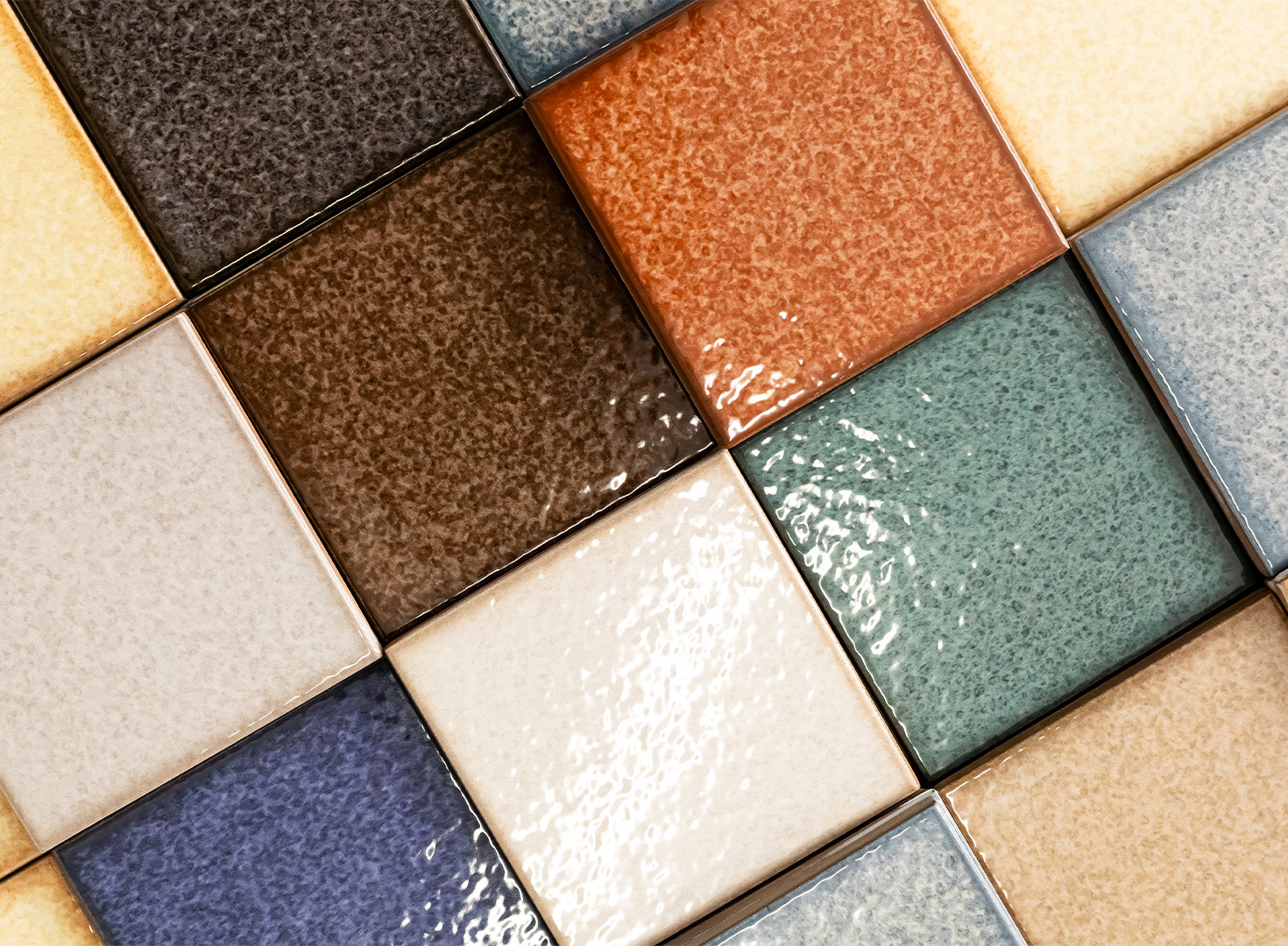
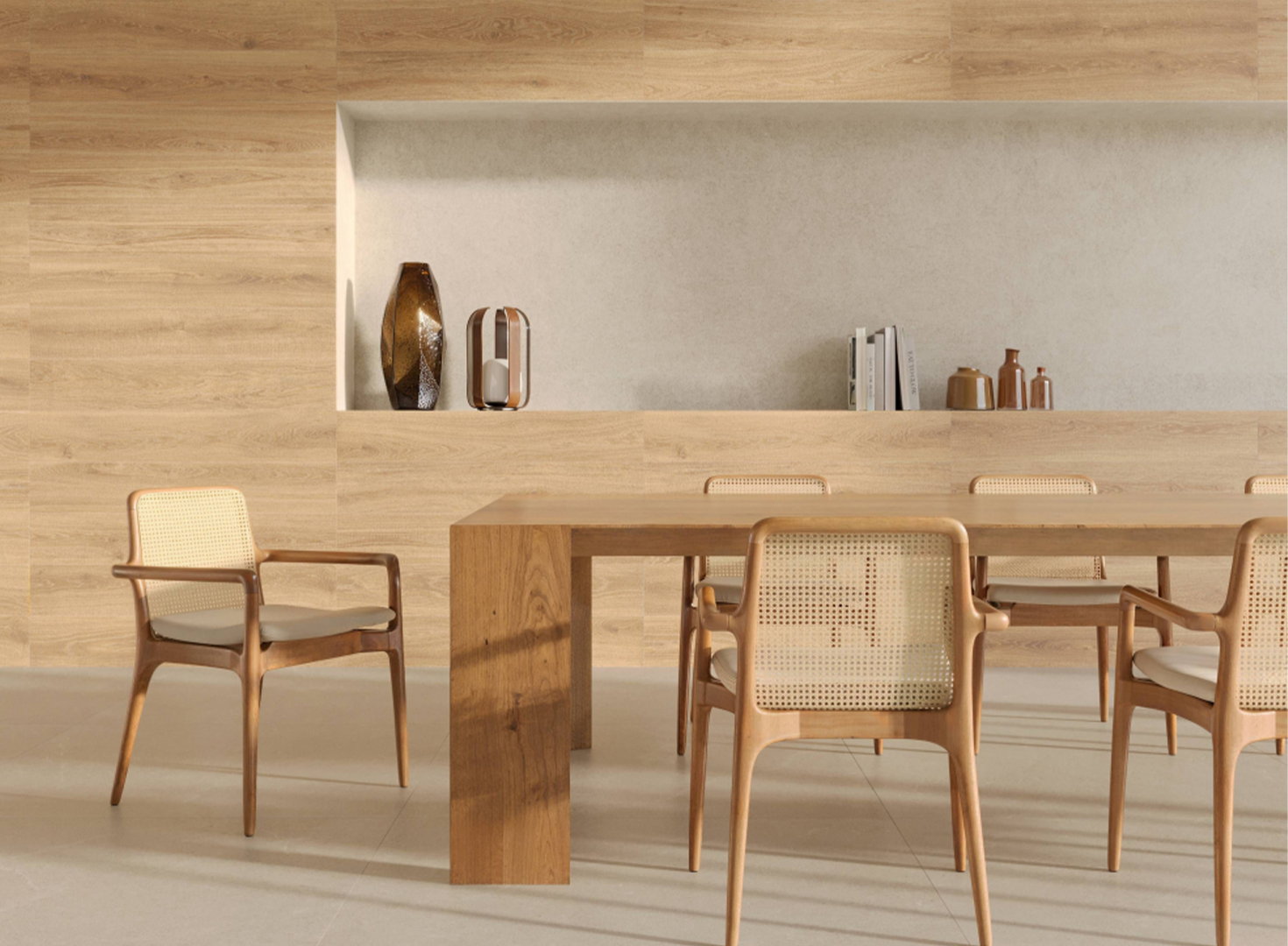
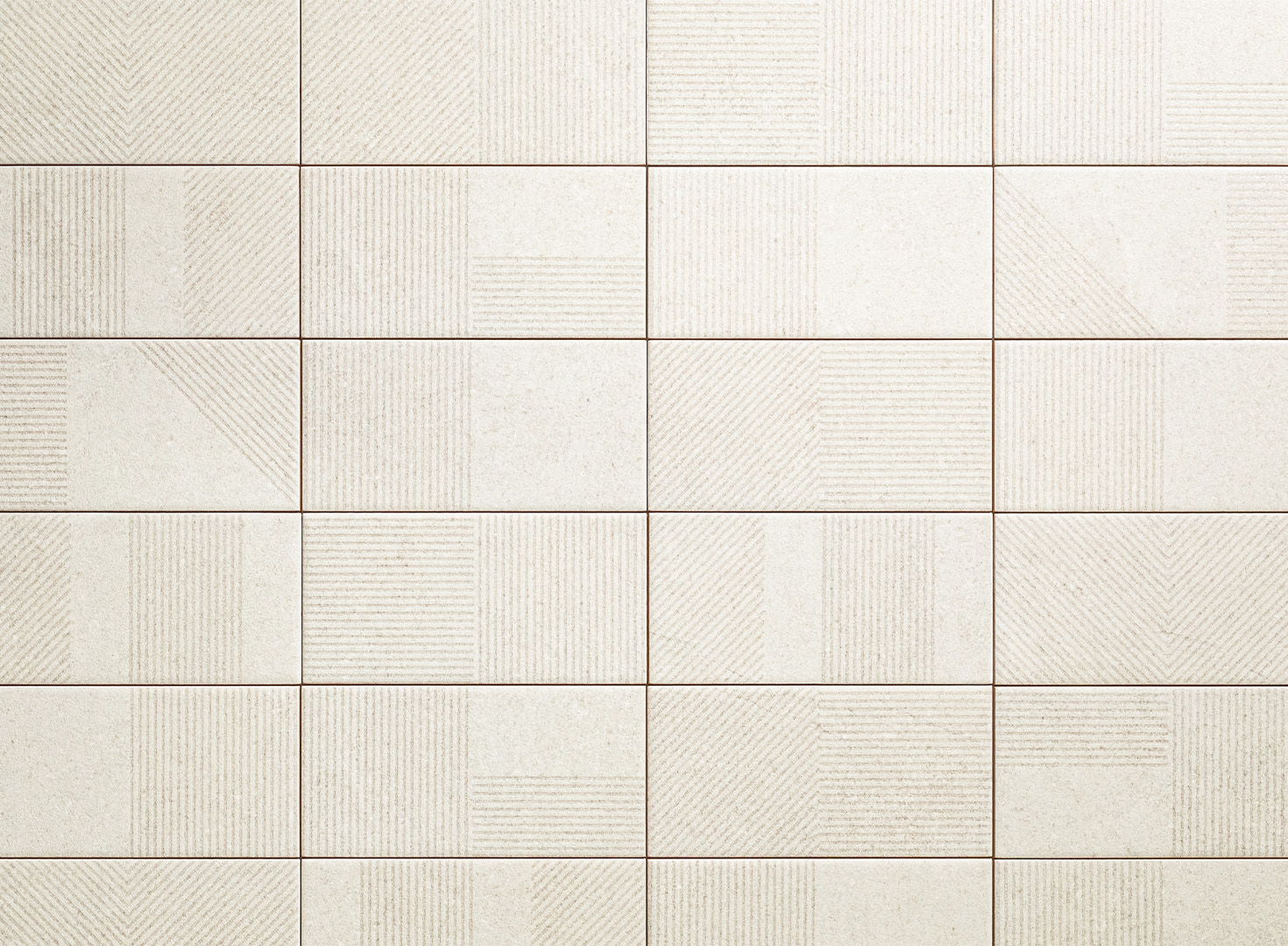
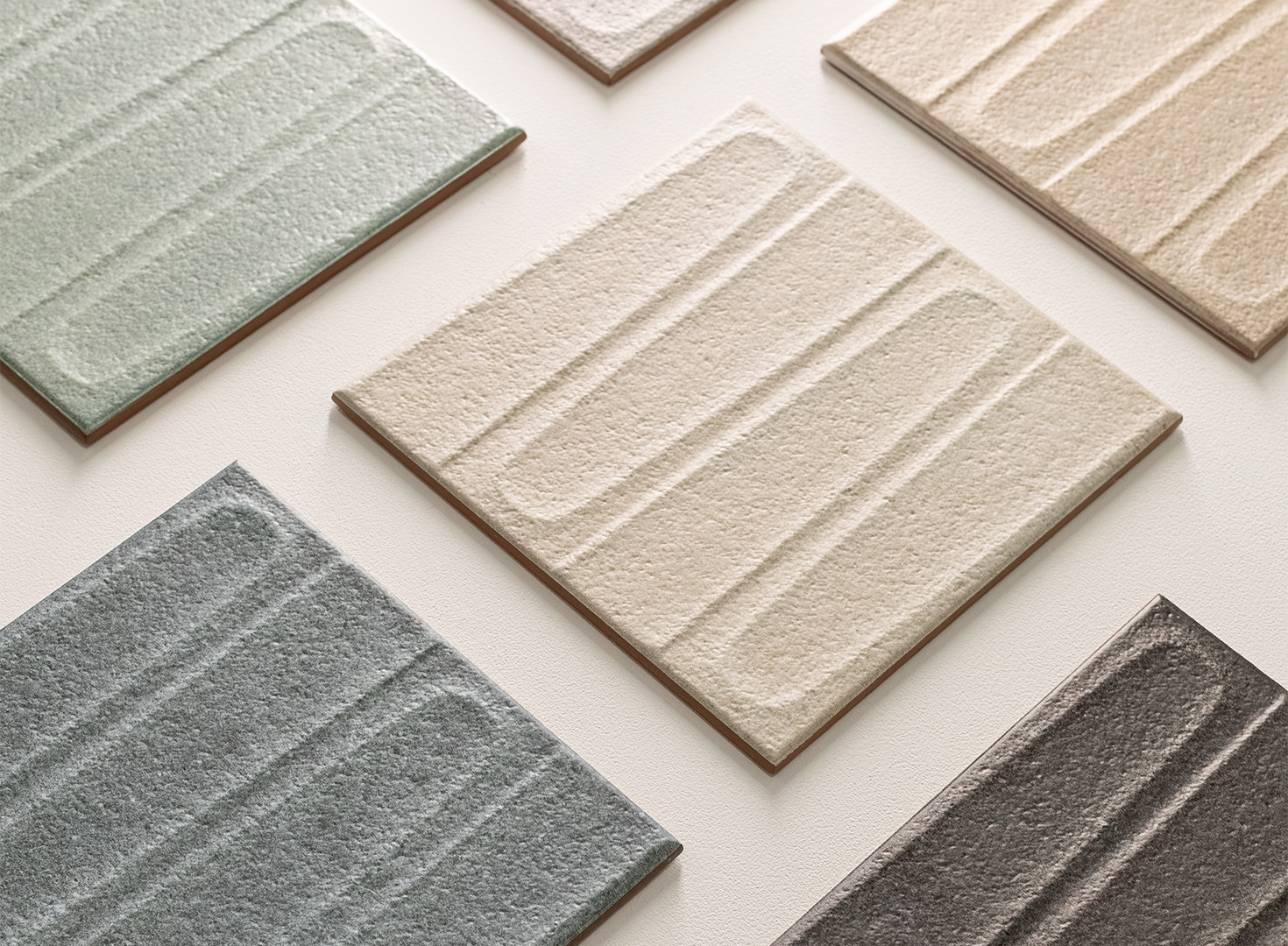
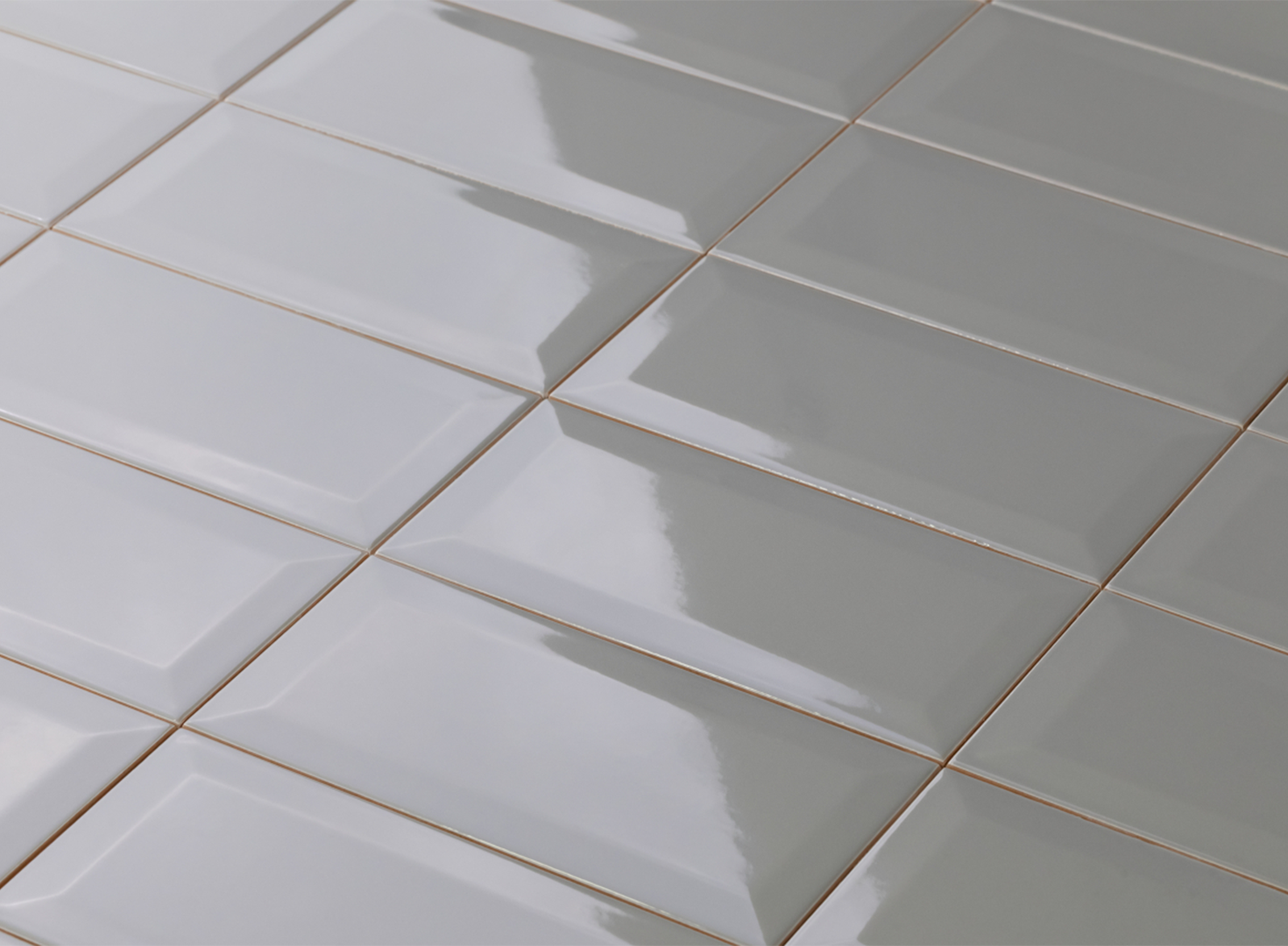
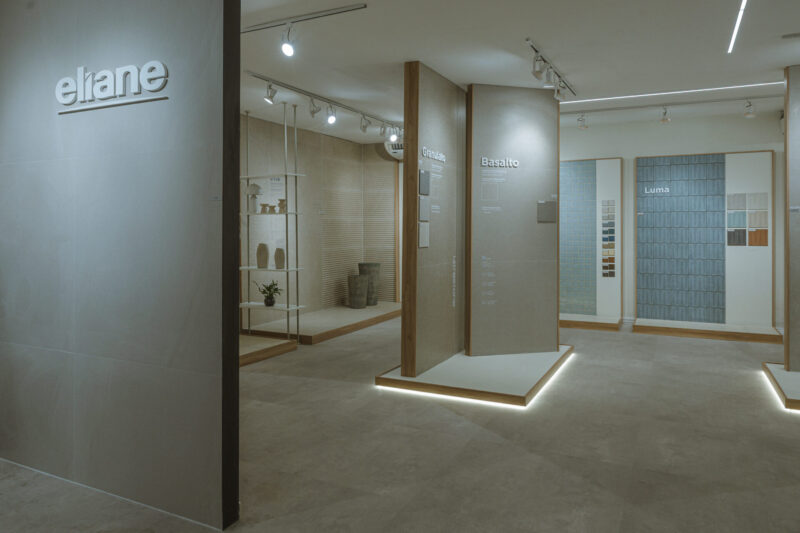
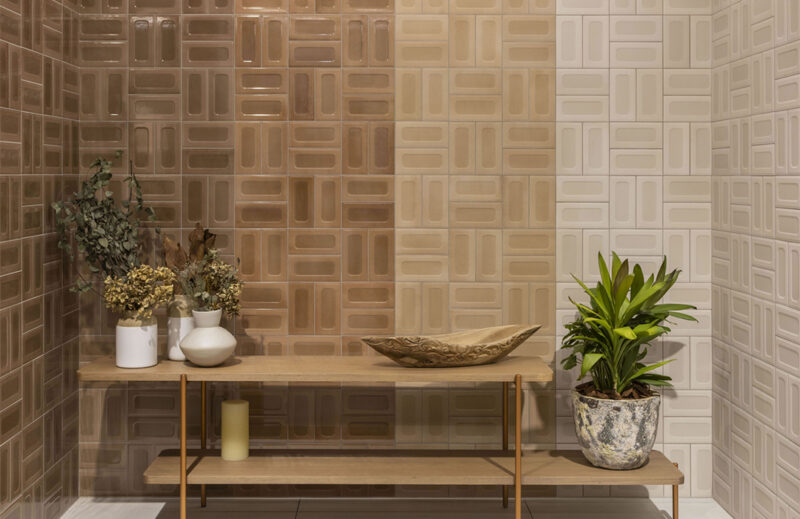
Ancestral, the clay refers to the earth, memory and provides visual comfort. In different parts, awakens tactile desire and aligns with contemporary architecture and design proposals that value natural materials. When searching Eliane's product range, I found two covering suggestions with this concept: Gouache Clay, porcelain tiles for floors and walls, with format 1,20 x 1,20cm, It is located in Soho Argila, rectangular model, 10 x 20 cm, reminiscent of brick. Both reflect “the essence of matter, symbolizing purity and simplicity.”, in the company's words. Easy to combine, interact with different colors and patterns.
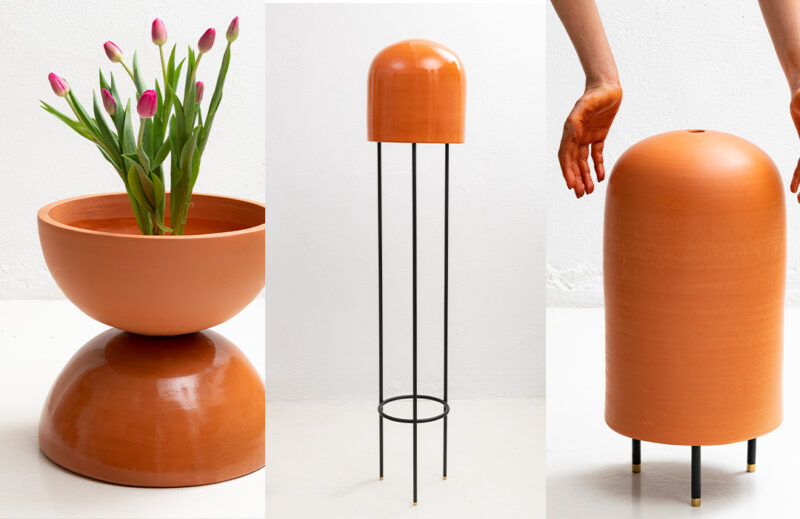
Seen as a connection with nature and a rescue of traditions, o material, in its diverse range of colors, has gained space in urban homes. On mine, he is present at the side table, reddish tone, created by designer Giácomo Tomazi with artisans from Santa Catarina, in pots for pacovás, adam's ribs, ferns and bougainvillea, and in the many works in my collection of popular masters.
From original peoples to new generation artists, the raw material reveals itself to be timeless, overcoming cultural barriers, gender, time and territory. A goiana Sallisa Rosa, featured in Art Basel Miami week 2023, held in December, with the installation “Tipografia da Memória”, composed of more than 100 pieces molded by hand with clay collected and fired with wood from 80 graus C, interpreta o material, based on the knowledge of their indigenous heritage: “The earth has many properties: optics, magnetic, Of temperature, power (…) The earth is that place of memory, keeps a record of everything that happened, of the people who passed by, of what was planted, the earth is this magic dust that records time”.
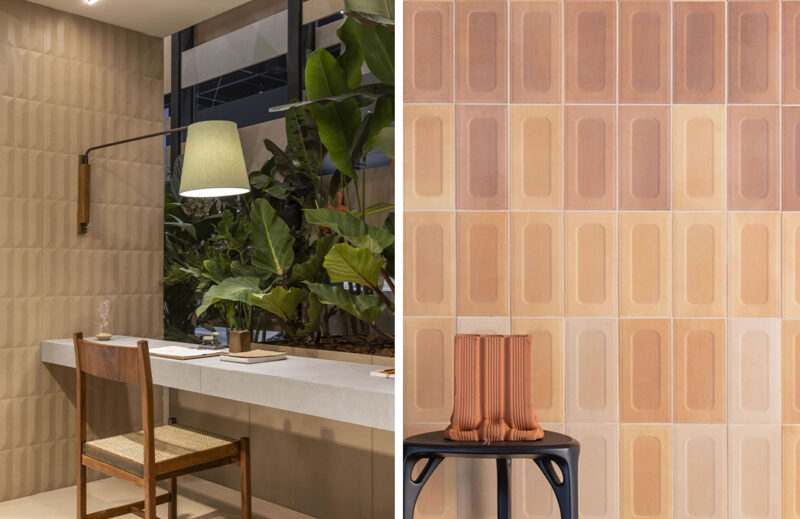
Guache Argila EXT 120x120cm | Gouache Pico Clay MT 45x120cm | Guache Gris MA 120x120cm | Project: Fgmf Architects | Photo: Evelyn Muller
Clay also serves our popular culture, mainly in the Northeast, whose maximum expression is Alto do Moura, in the municipality of Caruaru, neighborhood where Mestre Vitalino, from Pernambuco, lived (1909-1963). His talent and legacy were responsible for making the place the Largest Center for Figurative Art in the Americas, title granted by UNESCO.
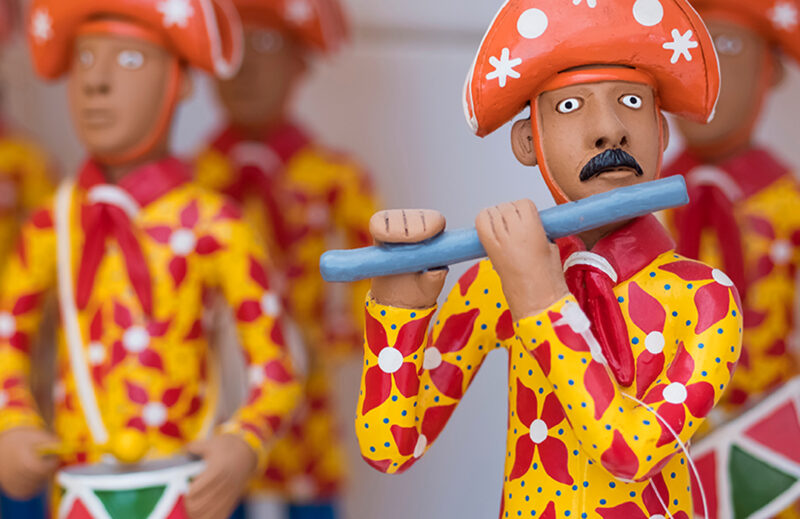
Clay Dolls, by Master Vitalino | Popular art
From childhood producing pans, with mom, to help support the family, Vitalino started to make sculptures with scenes from the country's daily life: birth, job, marriage and death. Each piece, a story, told to customers at the traditional Caruaru fair. Considered one of the greatest masters of Brazilian popular art, deserving of the title Master of Clay, Vitalino's art gained national relevance with the 1st Pernambuco Ceramics Exhibition, in 1947, in Rio de Janeiro.

Guache Argila EXT 120x120cm | Gouache Pico Clay MT 45x120cm | Guache Gris MA 120x120cm | Project: Fgmf Architects | Photo: Evelyn Muller
Won loyal admirers, like the landscaper, painter and collector Abelardo Rodrigues (1908-1971), which formed an extensive collection of pieces by the artist, later donated to the Caruaru Clay Museum, currently closed for renovation. Part of his work also belongs to the permanent collection of the Louvre Museum, in Paris. Vitalino is a northeasterner from the countryside who, with the clay and without leaving its territory, took high flights around the world.

 Back
Back