At the helm of Play Arquitetura, listed among the most prominent new offices in Brazil and the world by magazines. Parallel to architectural work, founded in 2013, together with Susana Bastos, the furniture and objects design brand ALVA design. The architect also develops works for theater, being the author of the scenarios for the shows Twenty (Cefart), Us, Others (Galpão Group), Black and Why We Don't Live? (Cia. Brazilian Theater), all directed by Márcio Abreu. Graduated from UFMG (Federal University of Minas Gerais), with a postgraduate degree in Furniture Design from SENAC SP, Marcelo was nominated for the Shell award 2020 for the scenography of the show Why We Don't Live? (Cia. Brazilian Theater), ao Shell 2018 for the scenography of the show Others (Galpão Group) and won the Casa Vogue Design awards 2018 – ALVA design, 10º IAB-MG Award 2008 – Loja Coven Project and the 4th Young Architects Award, Edition 1999 – Casa Bibi Project.

The house as a function
A somewhat expressive theme in recent years, the house as a function brings new ways of looking at living. The quarantine made us want the house as a space, land, a space to sunbathe and see the sky. To feel less trapped, rescue something that was lost. Properties with low walls, often decorated with balusters, hollow gates, doors that directly access the street and, not rare, an entrance hall as a harbinger of social spaces, were quite common in constructions in residential neighborhoods in large cities. The way casas were made revealed the relationship of its residents with the street and the city: there was an interest in what was happening outside, the bond of coexistence with the external world was stronger. Yet, in the mid years 80 This panorama started to change. High walls and completely closed gates began to dominate the urban landscape.
For architect Marcelo Alvarenga, gives Play Architecture, This new standard emerged not only out of concern for security, but also due to the desire for greater privacy. “A person wants to turn to his own garden, for your internal coexistence, value your world, disconnecting from the external in some way. So, interest in the street decreases. In São Paulo, there are many buildings that are completely blind to the street”, comments.
The movement to turn inwards has brought appreciation to external areas, transformed into relaxation spaces. “It’s a relationship like that.: why do people want to live in houses? Why houses have leisure spaces, garden. You don't live in the house for the program itself. bedroom, living room and kitchen, the apartments also have. Now, in the house there is a relationship with the land, with private outdoor space, which gained a lot of importance in their design. E, usually, they are not related to the street”, explains the architect.
Marcelo explains that this change inverted the way projects are thought of: garage and service areas moved to the front, while the social areas went to the back of the land. For him, This is a challenge for many professionals and clients, since you have to take a longer journey to get to the living room, for example, and think of a way in which the door doesn't open into a wall.
No-frills, self-care spaces
In addition to transforming the relationship between internal and external, in 2020 the world was hit by the pandemic caused by the new coronavirus, which catalyzed a greater issue of intimacy in homes. “It stopped with freshness, there are no more untouchable spaces. I think people have relaxed a little and that's good because all the environments have become usable.”, says Marcelo.
The need to adapt the house to also be a work space made people turn their attention to the places where they live, and brought a new dynamic to everyday life. “We no longer have the hassle of talking live. You can be anywhere, may be disheveled, with your cat passing behind. It remains an informality. Everyone now has spaces to do yoga, pilates… Even if it’s the bedroom or living room. There is a mix of activities”, account.
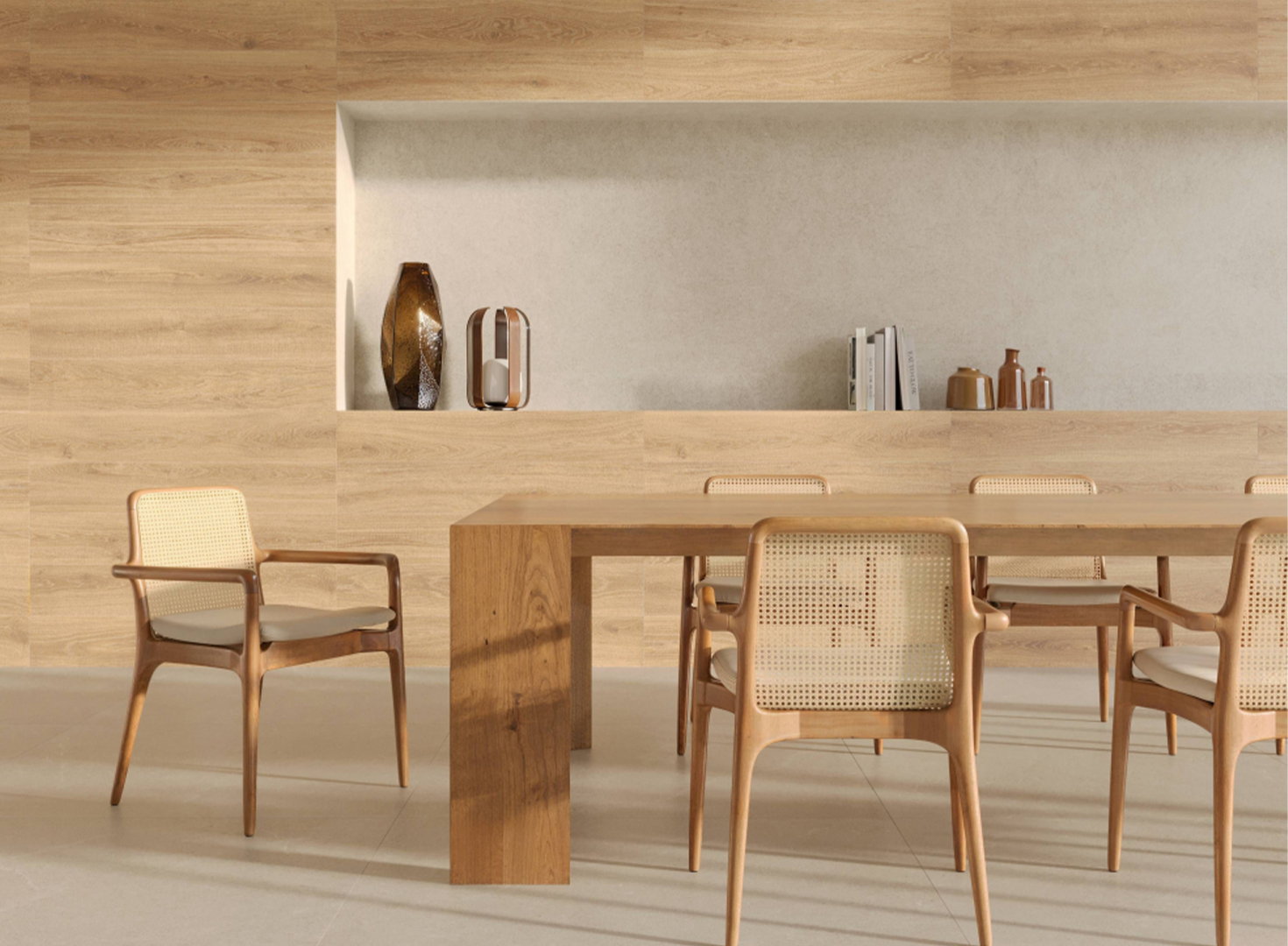
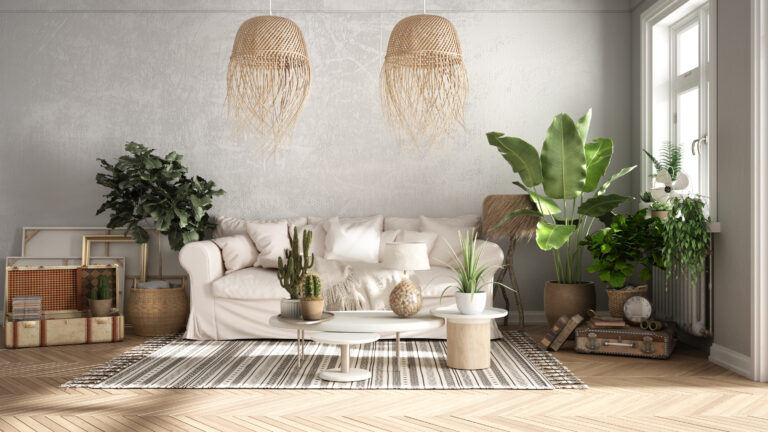
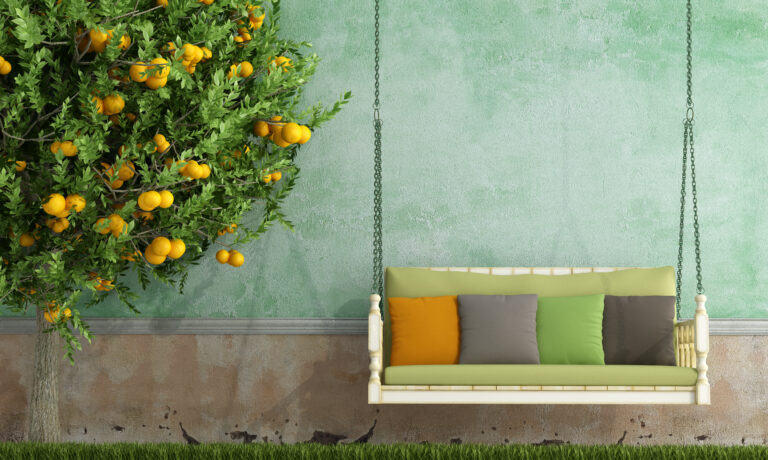
More than ever, living rhymes with welfare. Reflected in interior design, This verse translates to cozy environments, nice to spend time. Marcelo reveals that currently the decor of clients connected to trend has brought earthy tones and few colors. According to him, greens and colors off-white, linked to feelings of relaxation and comfort, are on the rise. “But it varies a lot. In our office, client profiles are very mixed”, states.
Plot Twist
At the same time that the pandemic boosted the movement – and the neologism – of “self-absorption” of housing, restrictions on coexistence with the city may have revived the desire to interact with the outside world. The desire for outings and trips is growing, especially by those who live in smaller spaces, like apartments, where there was also a greater appreciation of balconies and integration of green into the environment.
For Marcelo, the changes in the relationship with the house will last and the next challenge will be precisely the balance between what can be lived inside, without forgetting what you can enjoy outside. "Somehow, I think we will feel this impact as a permanent thing. Even if later you have to balance indoor and outdoor life again”, finishes the architect.
 Back
Back